The Vascular Gym
Understanding how heat stress creates cardiovascular responses similar to exercise through passive thermal exposure.
Passive Exercise Through Heat Stress
Research suggests that heat exposure can create cardiovascular responses similar to moderate exercise.
How It Works
When your body is exposed to elevated temperatures, it must work to maintain core temperature. This process activates the cardiovascular system, increasing heart rate and blood flow to support cooling mechanisms.
This response is sometimes referred to as "passive exercise" because it creates cardiovascular stress without the mechanical work of traditional exercise.
Studies have shown that sauna use can elevate heart rate to levels similar to light to moderate cardiovascular exercise, depending on temperature and duration.
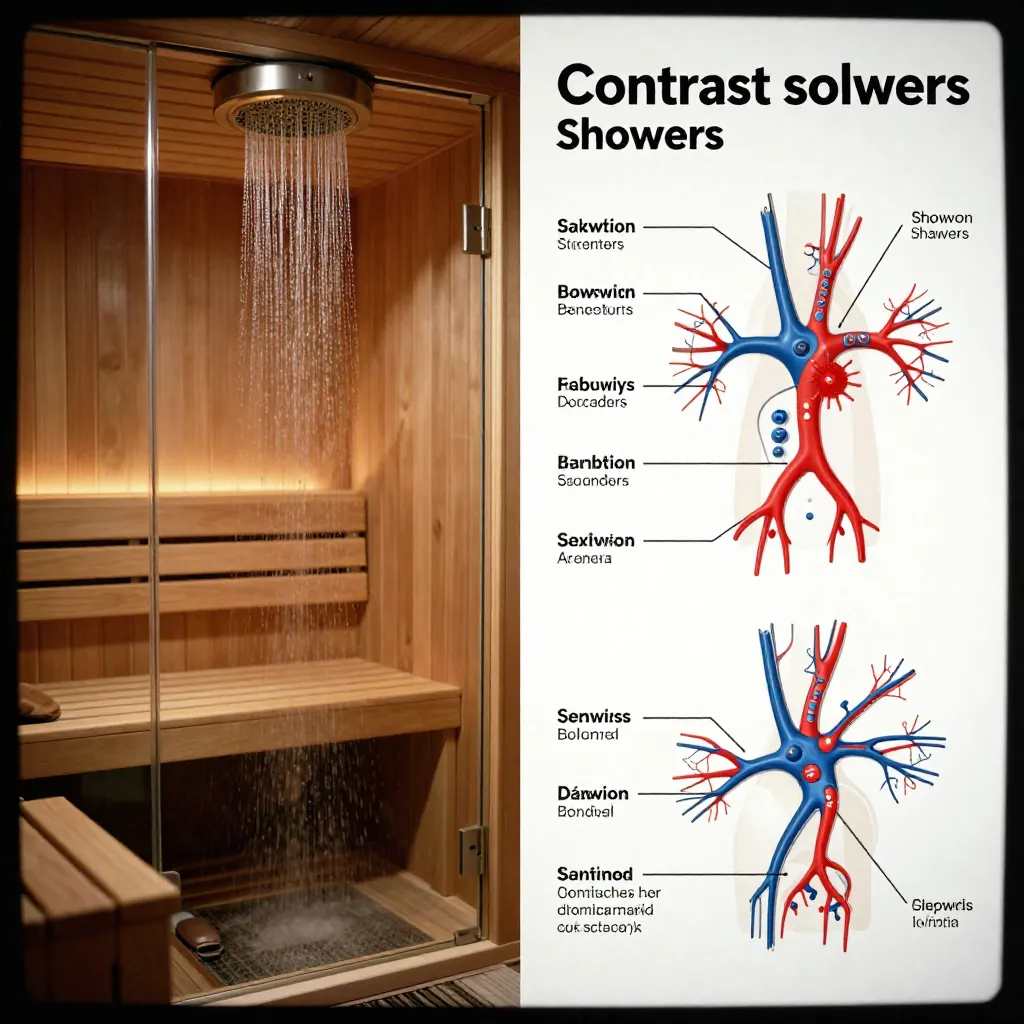
Heart Rate Comparison Data
Comparative data showing heart rate responses in different scenarios.
| Activity | Average Heart Rate (bpm) | Intensity Level |
|---|---|---|
| Resting | 60-80 | Baseline |
| Sauna (80°C, 15 min) | 100-120 | Light Exercise |
| Sauna (90°C, 20 min) | 120-140 | Moderate Exercise |
| Walking (5 km/h) | 90-110 | Light Exercise |
| Jogging (8 km/h) | 130-150 | Moderate Exercise |
| Cold Plunge (10°C, 2 min) | 70-90 | Recovery Phase |
Note: Individual responses vary based on fitness level, age, health status, and other factors. These values are approximate averages from research studies.
Vascular Adaptations
How thermal contrast therapy may support vascular health over time.
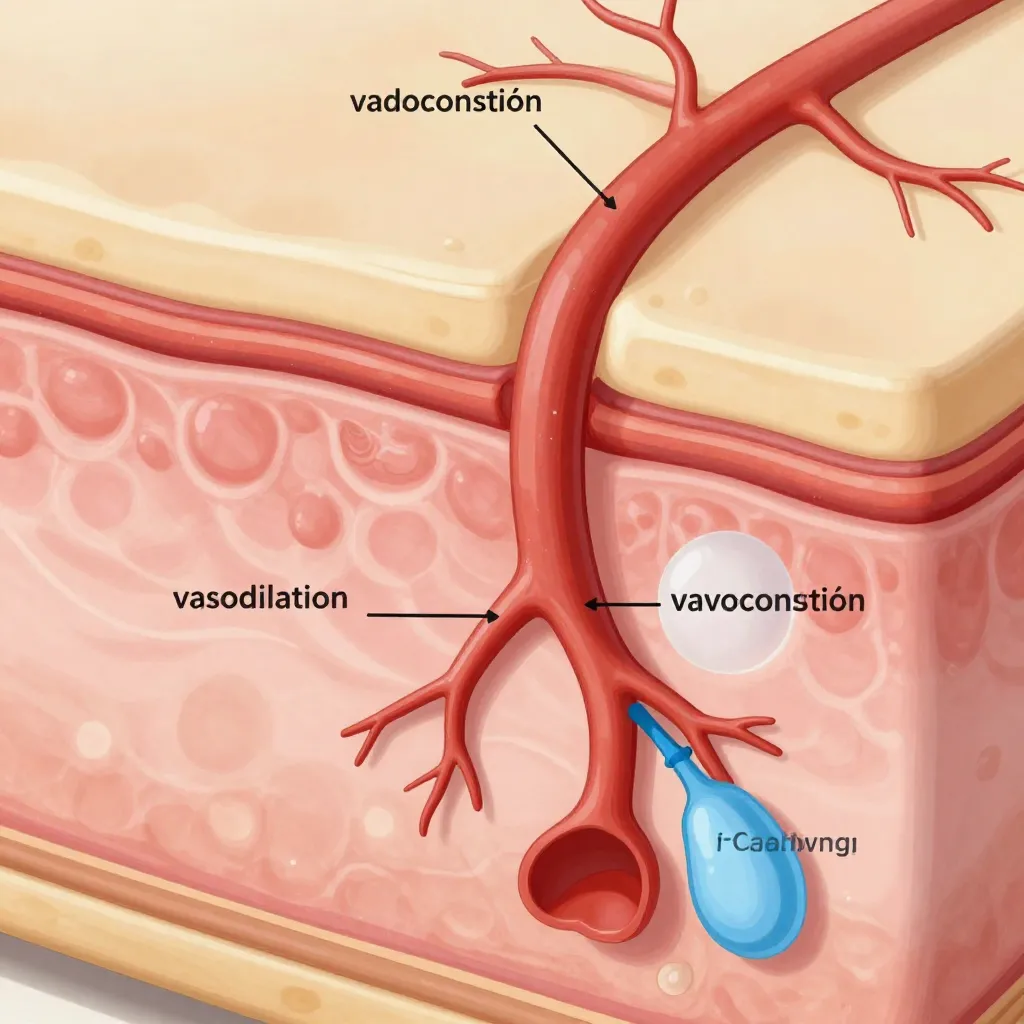
Vasodilation & Vasoconstriction
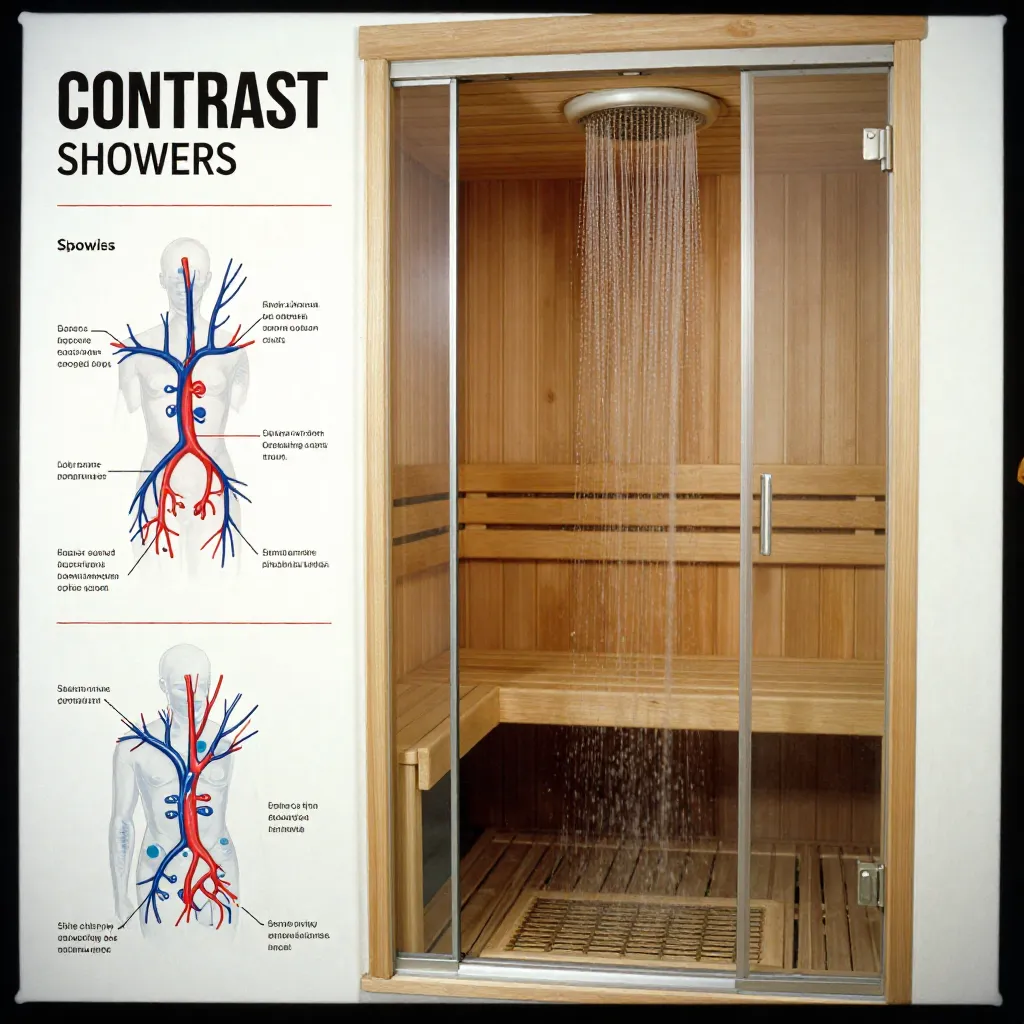
The alternating pattern of heat and cold exposure challenges the vascular system, potentially improving vessel tone and responsiveness. Heat causes dilation, while cold causes constriction.
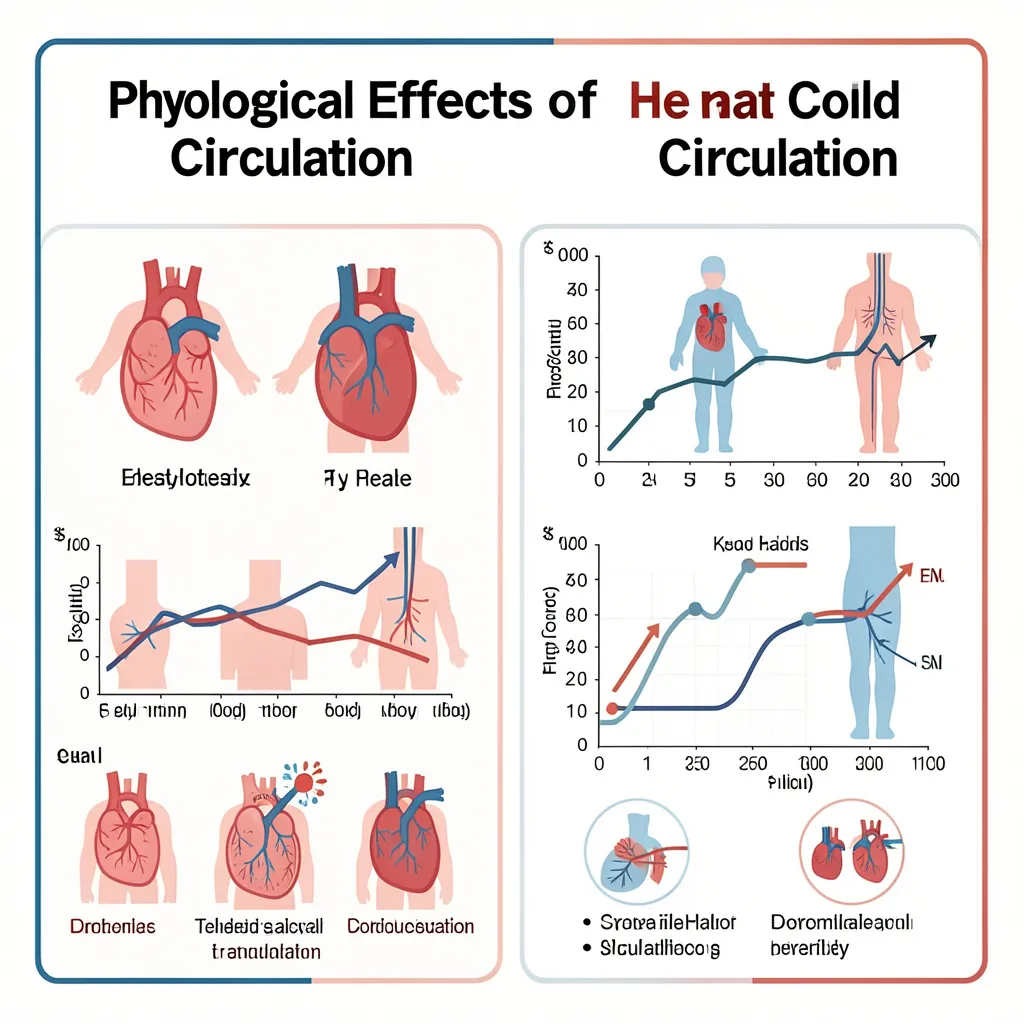
Blood Flow Patterns
Thermal contrast creates a "vascular pump" effect, directing blood flow between peripheral and core regions. This pattern may support circulation efficiency.
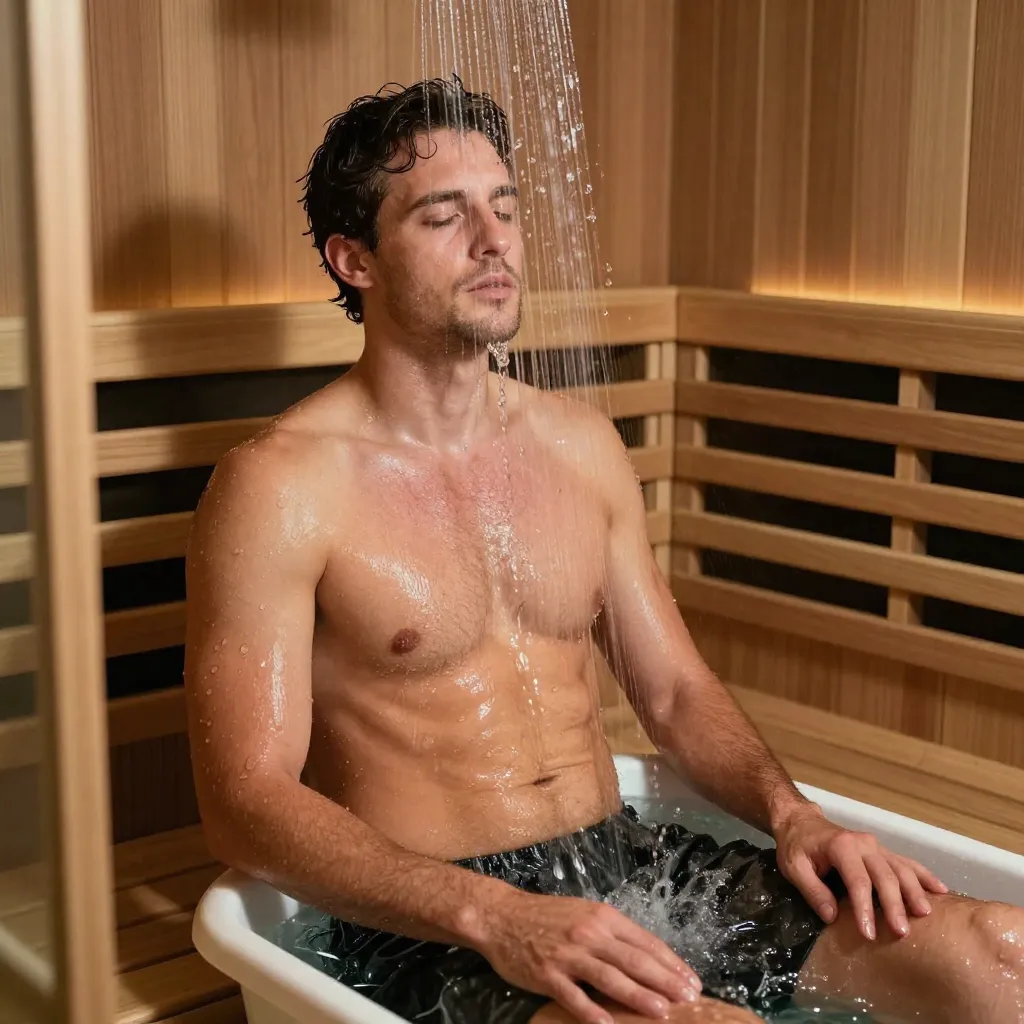
Cardiovascular Conditioning
Regular thermal contrast exposure may help maintain cardiovascular fitness through passive stress responses, similar to how exercise challenges the system.
Understanding the Research
Current scientific understanding of thermal contrast therapy and vascular health.
Evidence Base
Research in thermal contrast therapy continues to evolve. Studies have explored various aspects of heat and cold exposure, including cardiovascular responses, recovery benefits, and potential long-term adaptations.
While some research suggests potential benefits for circulation and vascular health, more studies are needed to fully understand the mechanisms and optimal protocols.
Individual responses vary significantly, and what works for one person may not work for another. It's important to approach thermal contrast therapy with realistic expectations.
Important Considerations
While thermal contrast therapy may create cardiovascular responses similar to exercise, it should not be considered a replacement for regular physical activity. Both approaches can complement each other as part of a comprehensive wellness routine.
Always consult with healthcare providers before beginning any new wellness practice, especially if you have existing health conditions.
Build Your Protocol