Vascular Conditioning Through Thermal Contrast
Discover how alternating heat and cold exposure can support circulation and vascular health through evidence-based approaches.
Understanding Thermal Contrast Therapy
Thermal contrast therapy involves alternating between heat and cold exposure to stimulate vascular responses.
How It Works
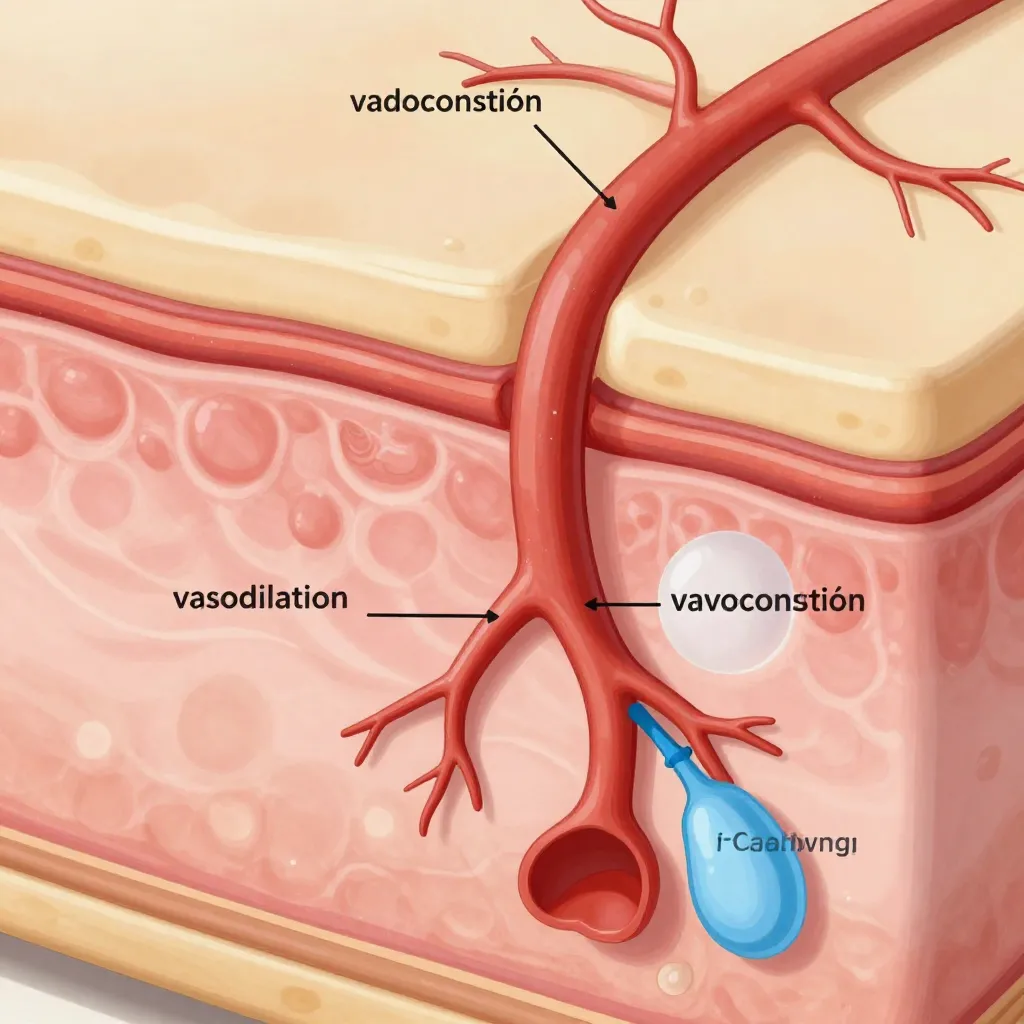
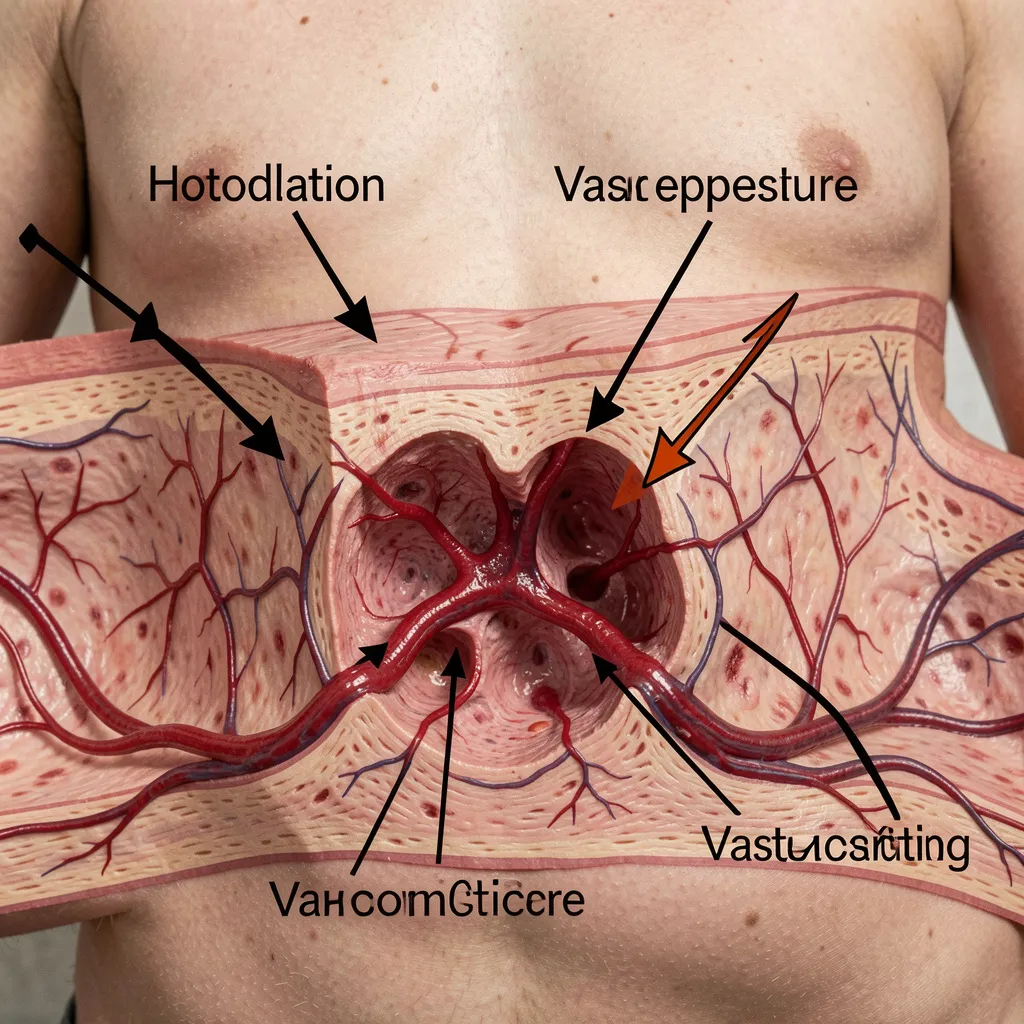
When exposed to heat, blood vessels dilate, increasing blood flow to the skin's surface. Cold exposure causes vasoconstriction, redirecting blood flow to core organs. This alternating pattern creates a "vascular pump" effect that may support circulation.
Research suggests that regular thermal contrast exposure can help maintain vascular elasticity and responsiveness. The practice has been used in various cultures for centuries as part of wellness routines.
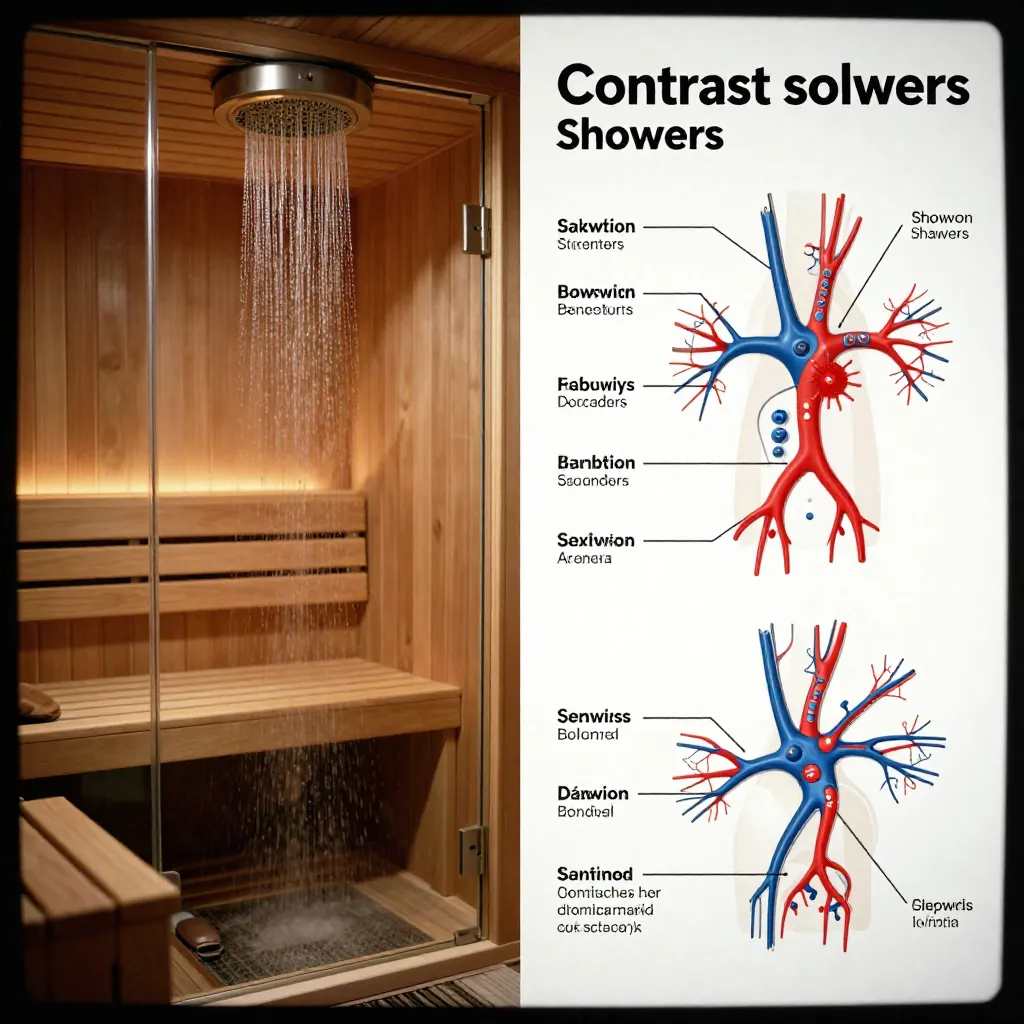
Heat Exposure and Vascular Response
Sauna use creates controlled heat stress that activates cardiovascular responses.
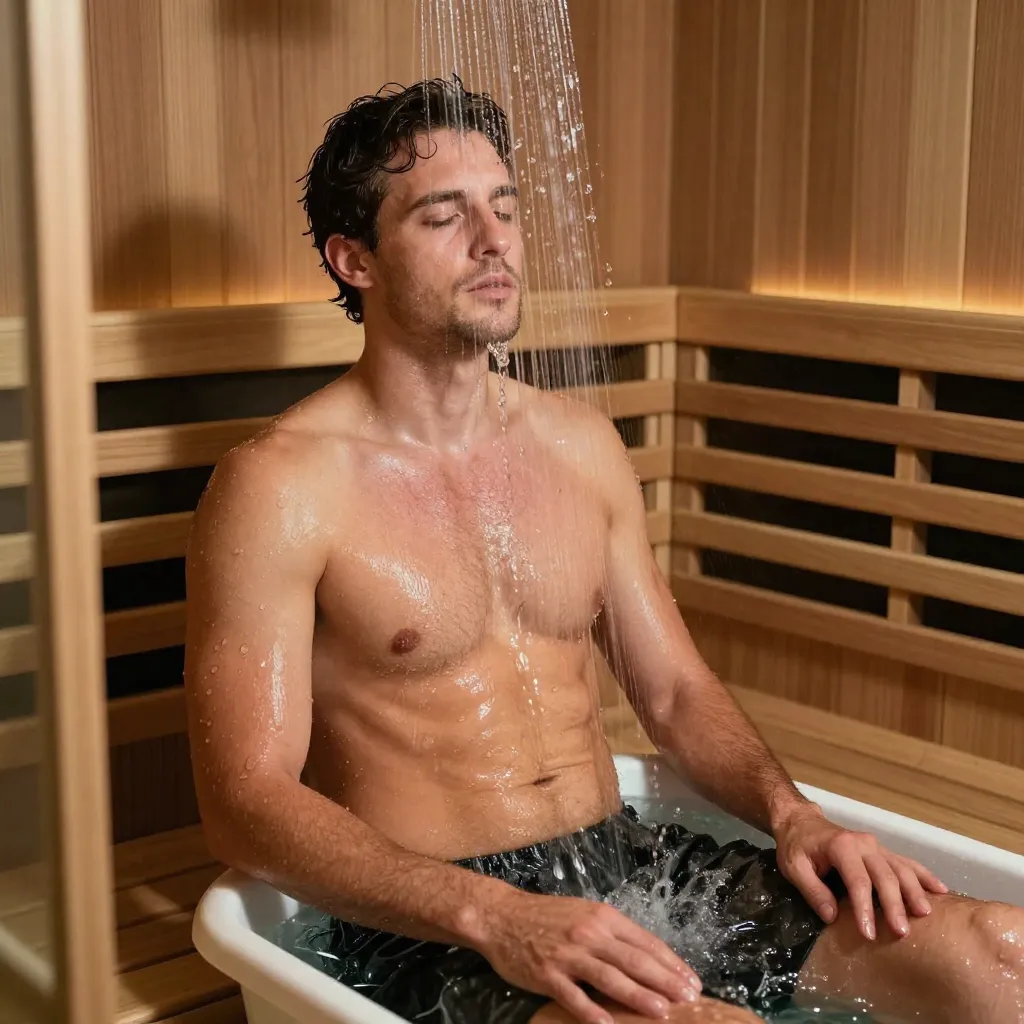
Vasodilation Effects
Heat exposure causes blood vessels to expand, increasing peripheral blood flow. This process helps deliver oxygen and nutrients to tissues while supporting the body's natural cooling mechanisms.
Heart Rate Response
Moderate heat stress can elevate heart rate similar to light cardiovascular exercise. This response helps maintain cardiovascular conditioning during passive heat exposure.
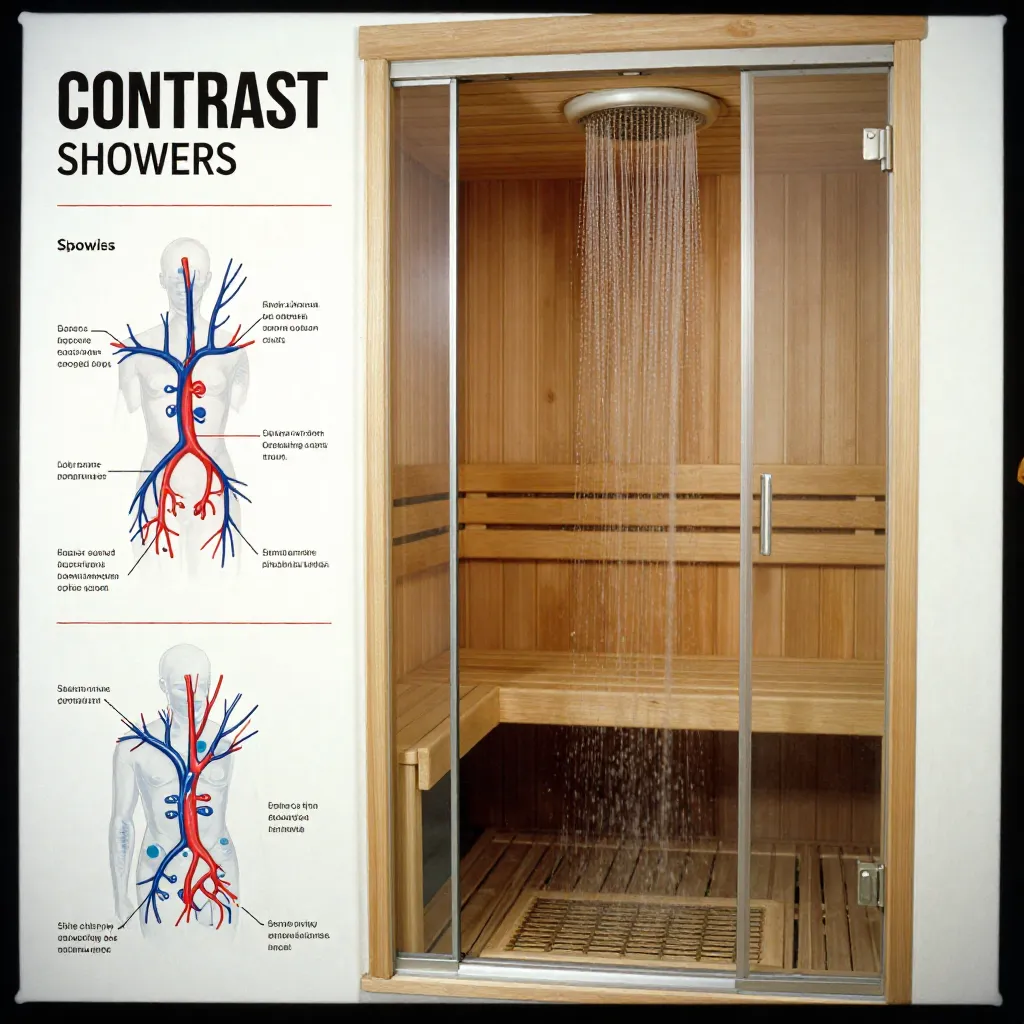
Recovery Support
Heat exposure may support recovery processes by promoting blood flow to muscles and tissues. Many individuals find sauna sessions helpful as part of their recovery routine.
Cold Plunge and Vasoconstriction
Cold water exposure triggers different vascular responses that complement heat therapy.
Vasoconstriction Benefits
Cold exposure causes blood vessels to constrict, redirecting blood flow toward core organs. This response helps maintain body temperature and may support circulation efficiency.
The rapid transition from heat to cold creates a contrast effect that challenges the vascular system. This alternating pattern is thought to improve vascular tone and responsiveness over time.
Many practitioners find that cold exposure helps them feel more alert and energized. The practice requires gradual adaptation and should be approached with care.
Creating Effective Contrast Protocols
Structured approaches to thermal contrast can help individuals safely explore these practices.
Beginner Approach
Start with shorter exposure times and moderate temperature differences. Begin with warm showers followed by brief cool water exposure. Gradually increase contrast intensity as comfort allows.
Intermediate Practice
Incorporate dedicated sauna sessions followed by cool-down periods. Many facilities offer contrast therapy suites that allow for controlled transitions between heat and cold environments.
Advanced Protocols
Experienced practitioners may explore extended contrast cycles with specific timing ratios. These protocols should be developed gradually and tailored to individual responses and goals.
Safety and Precautions
Understanding important considerations before beginning thermal contrast practices.
Health Considerations
Individuals with cardiovascular conditions, high or low blood pressure, or other health concerns should consult healthcare providers before beginning thermal contrast therapy.
Pregnant individuals and those with certain medical conditions may need to avoid or modify these practices. Always prioritize safety and listen to your body's signals.
Stay hydrated throughout any heat exposure. Dehydration can increase risks and reduce the potential benefits of thermal contrast practices.
Explore Our Resources
Tools and information to help you learn about thermal contrast therapy.
Protocol Builder
Use our interactive tool to create personalized thermal contrast protocols based on your experience level and goals.
Build ProtocolVascular Gym Science
Learn about the physiological responses to heat and cold exposure, including heart rate comparisons and vascular adaptations.
Explore ScienceFind Locations
Discover facilities in your area that offer sauna, cold plunge, or contrast therapy services.
Find Locations